
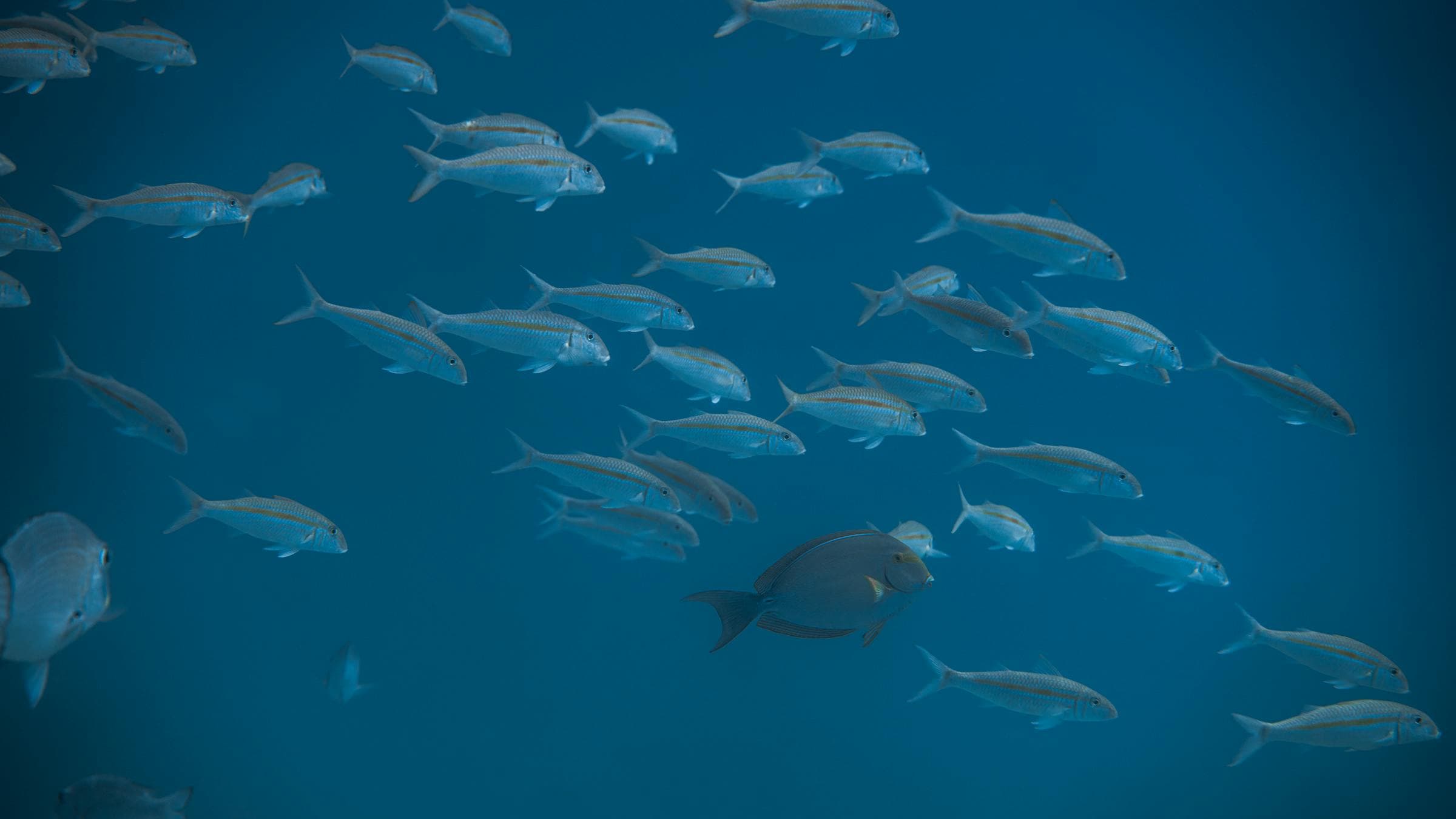
Aquaculture Intelligence
Data-driven aquaculture monitoring. Any species. Any environment.
From ocean net pens to indoor RAS facilities — computer vision that understands fish behavior the way scientists do. Because we are scientists.
Proven in the Lab
A decade of behavioral intelligence — now beneath the surface.
ConductScience has equipped 500+ research institutions with automated behavioral analysis. The same AI that tracks sub-pixel mouse movements in neuroscience labs now monitors fish populations, feeding behavior, and welfare across aquaculture operations.
500+
Research institutions
10+
Years of behavioral AI
6
Aquaculture species supported
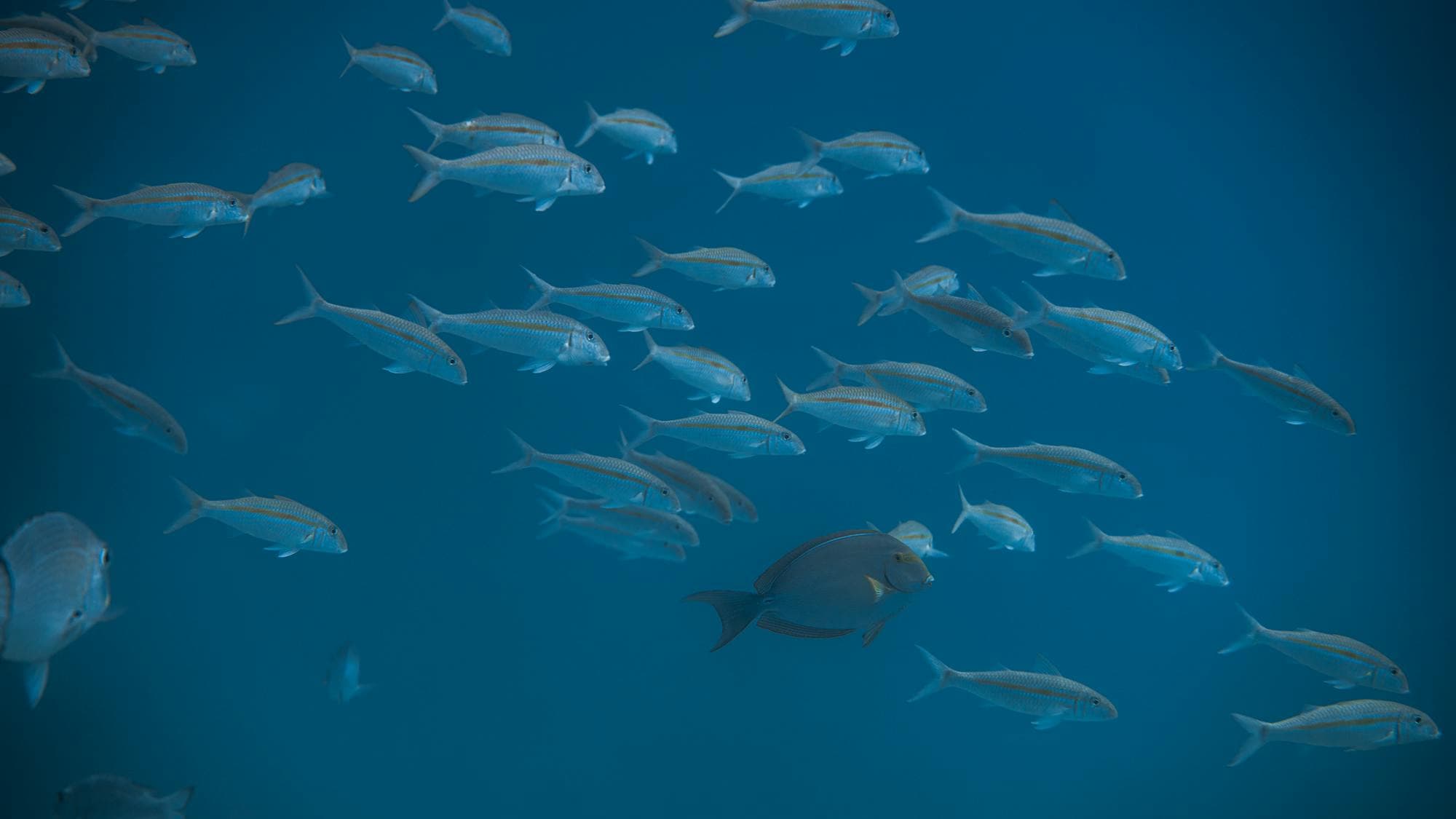
Capabilities - Six intelligence modules. One unified platform.
Each module works independently or together — feeding behavioral data into health alerts, population counts into harvest planning, environmental sensors into behavioral baselines.
Species-Specific Models - Trained for your species. Not a generic fish detector.
Every species behaves differently. Our models are trained per-species with species-appropriate behavioral baselines, size references, and environmental parameters.
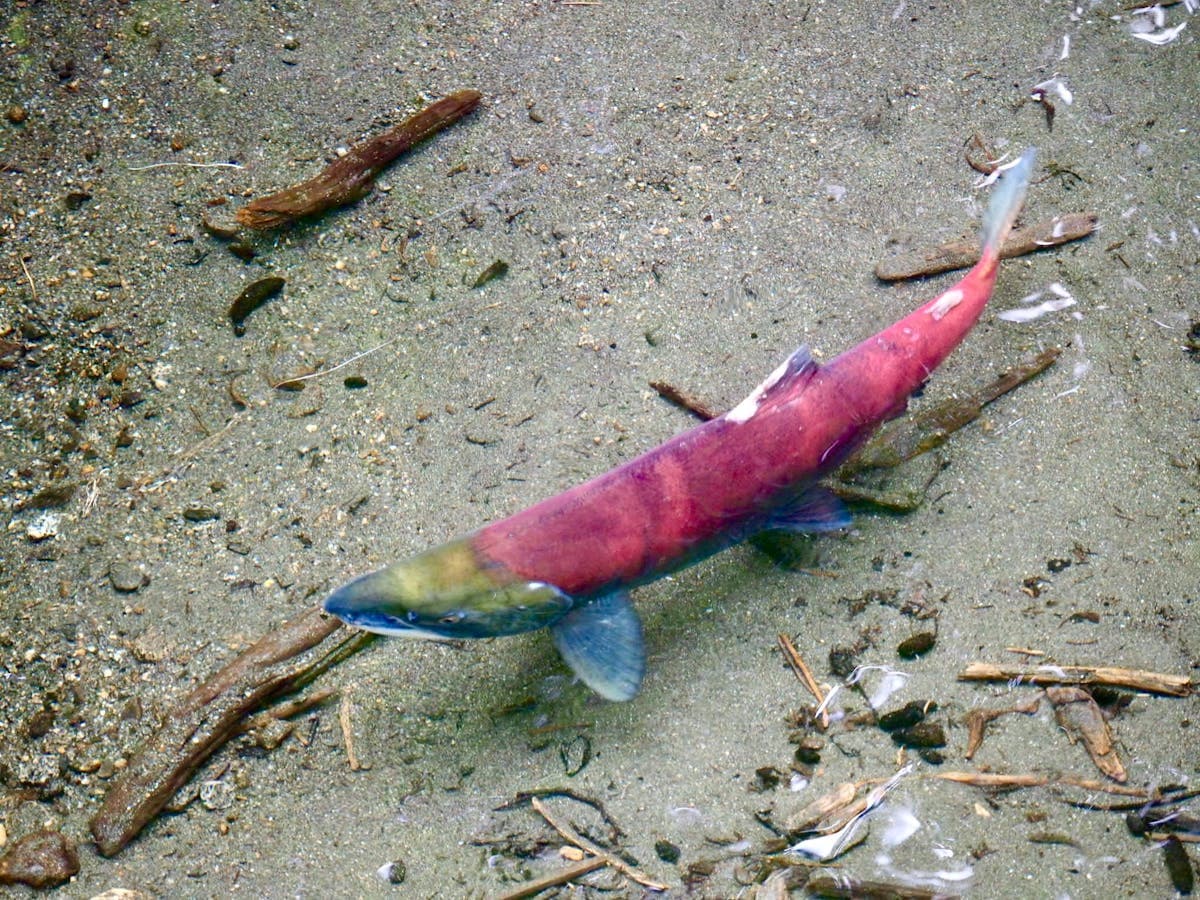
Atlantic Salmon
Salmonid
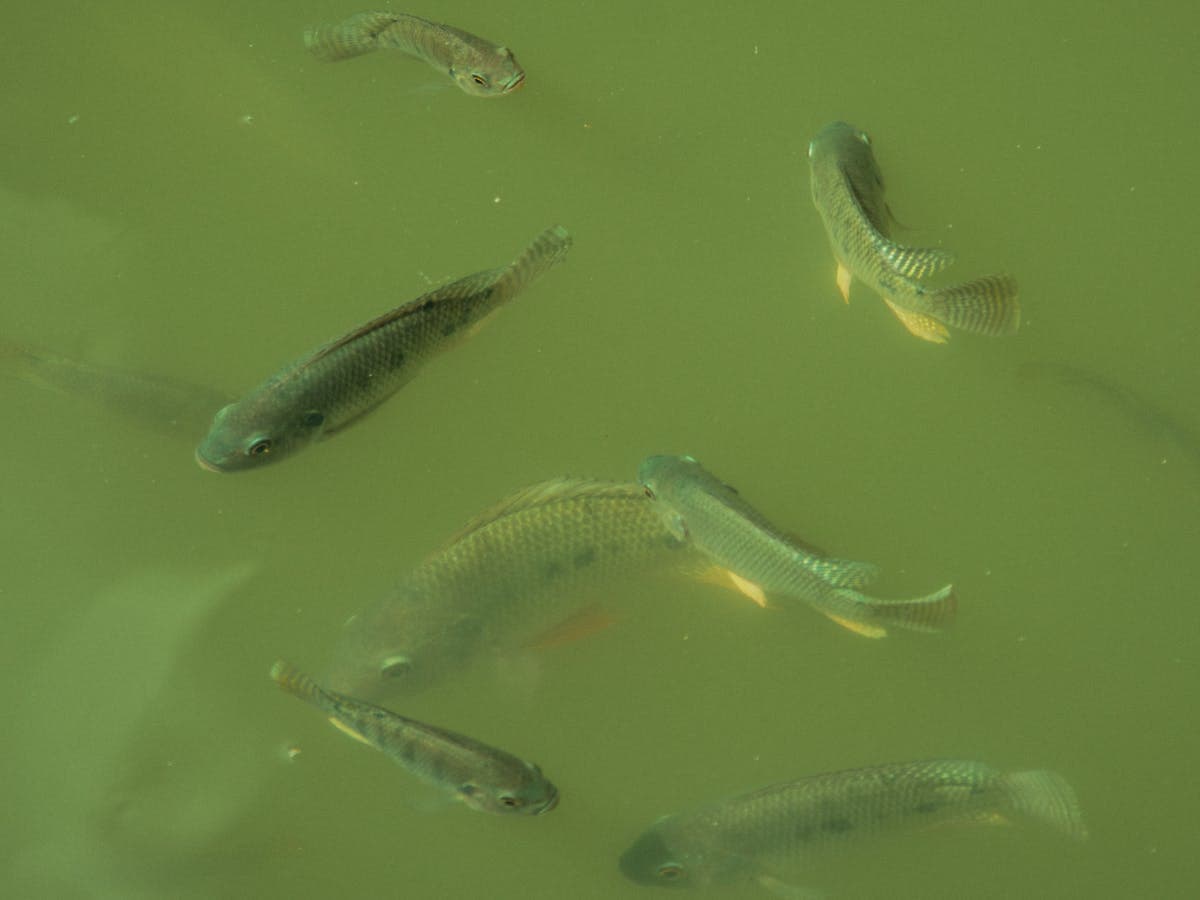
Tilapia
Cichlid
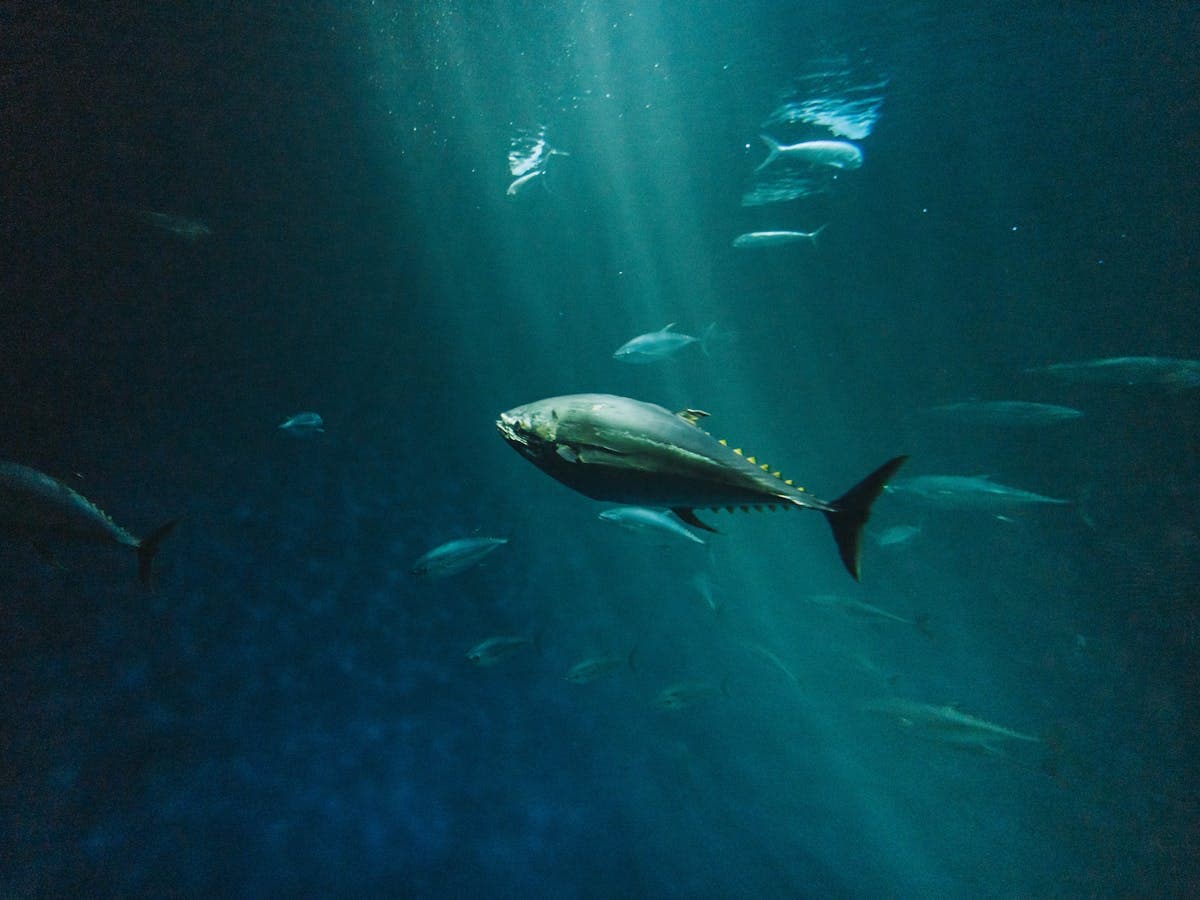
Bluefin Tuna
Pelagic
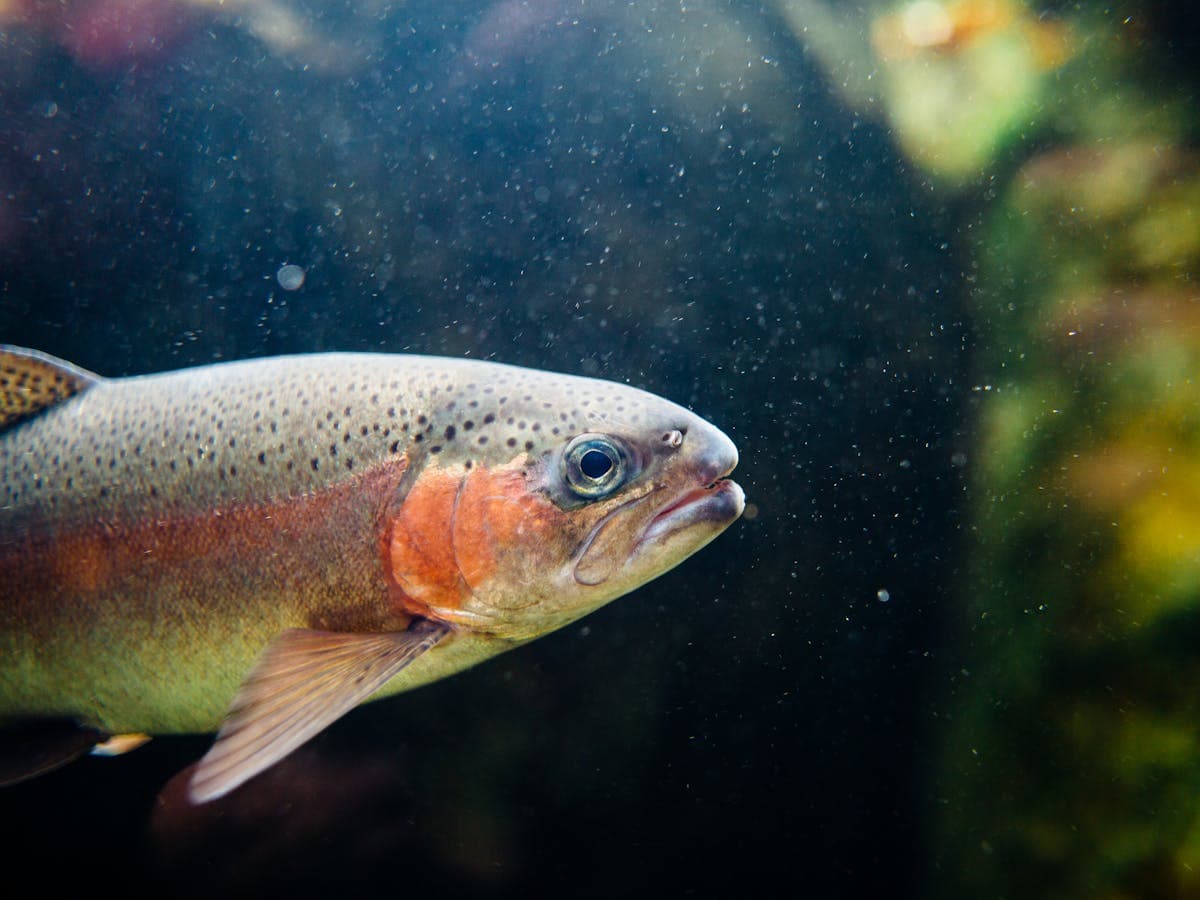
Rainbow Trout
Salmonid
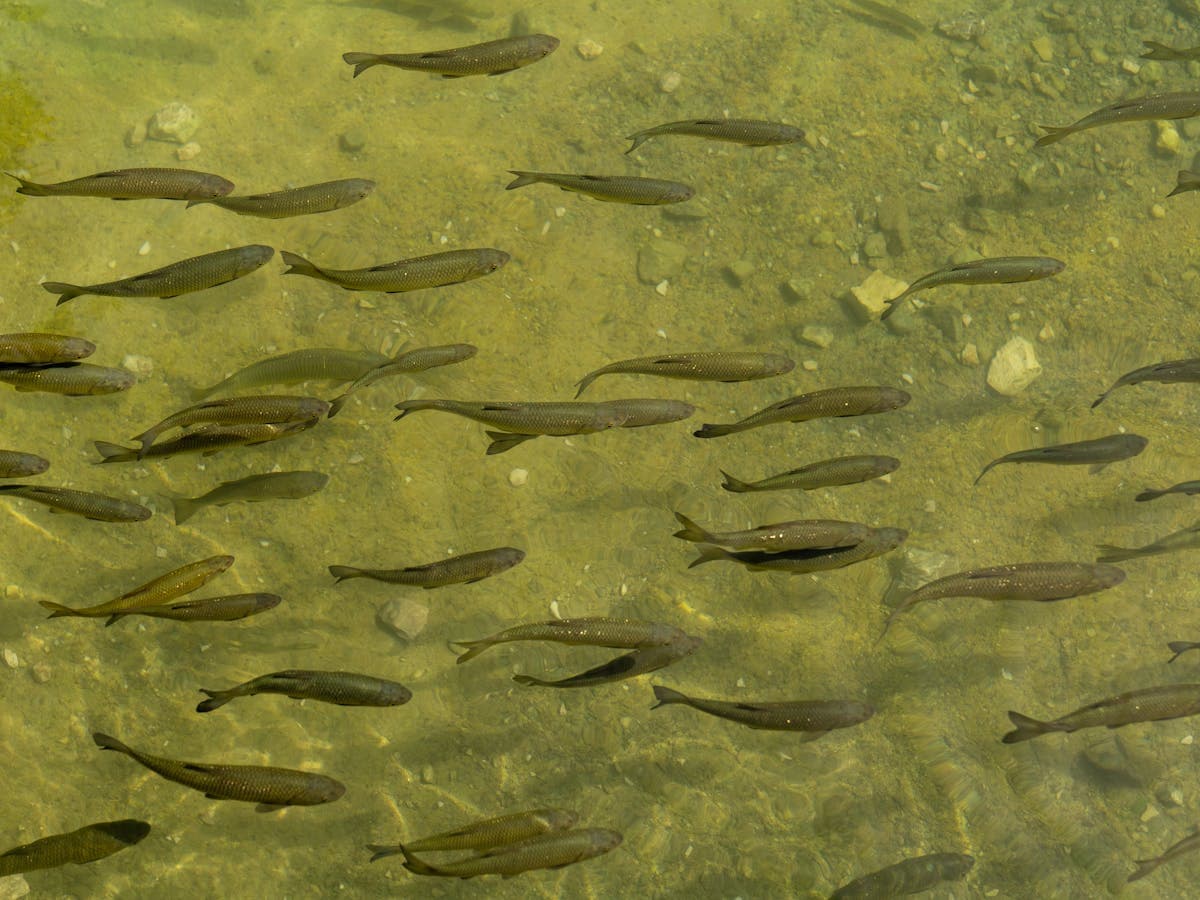
Sea Bass
Marine
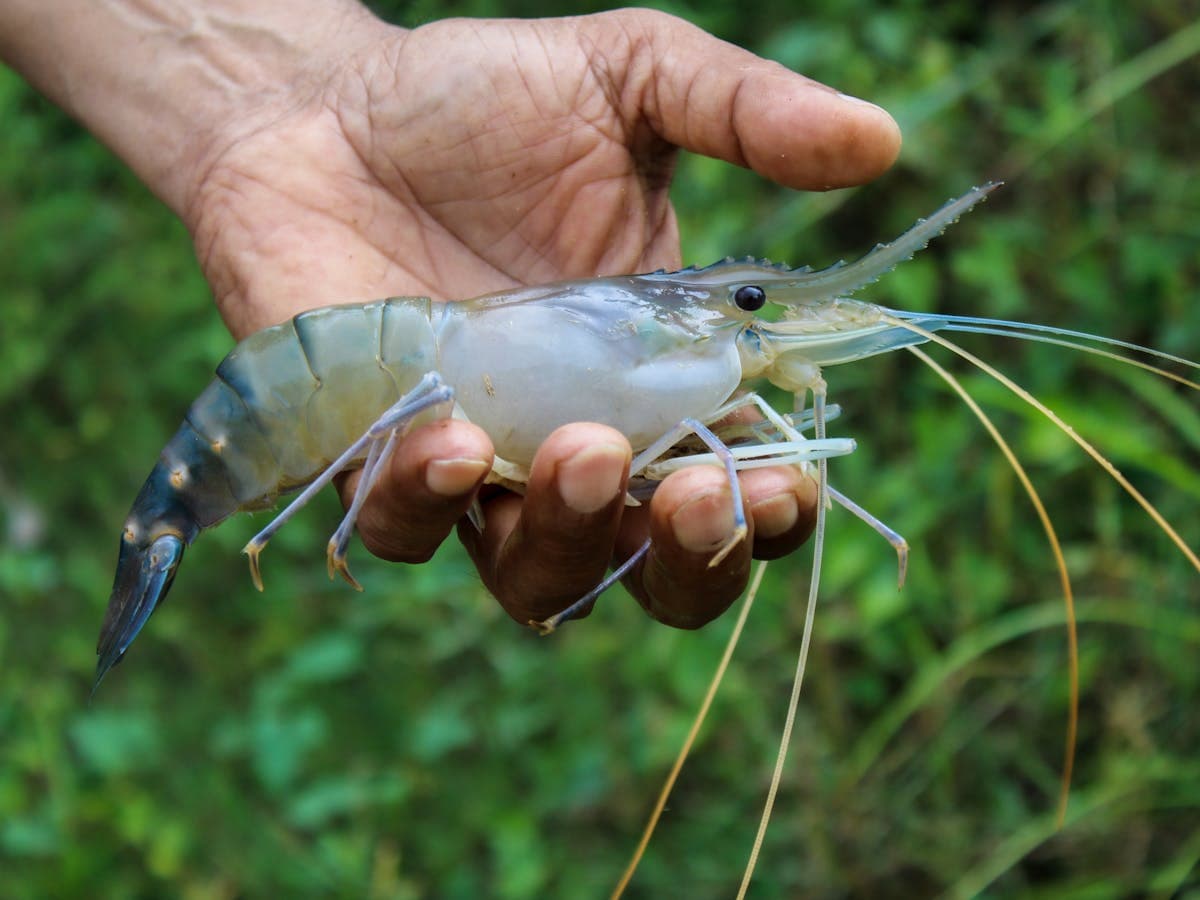
Shrimp
Crustacean
Environments - Works everywhere fish are farmed.
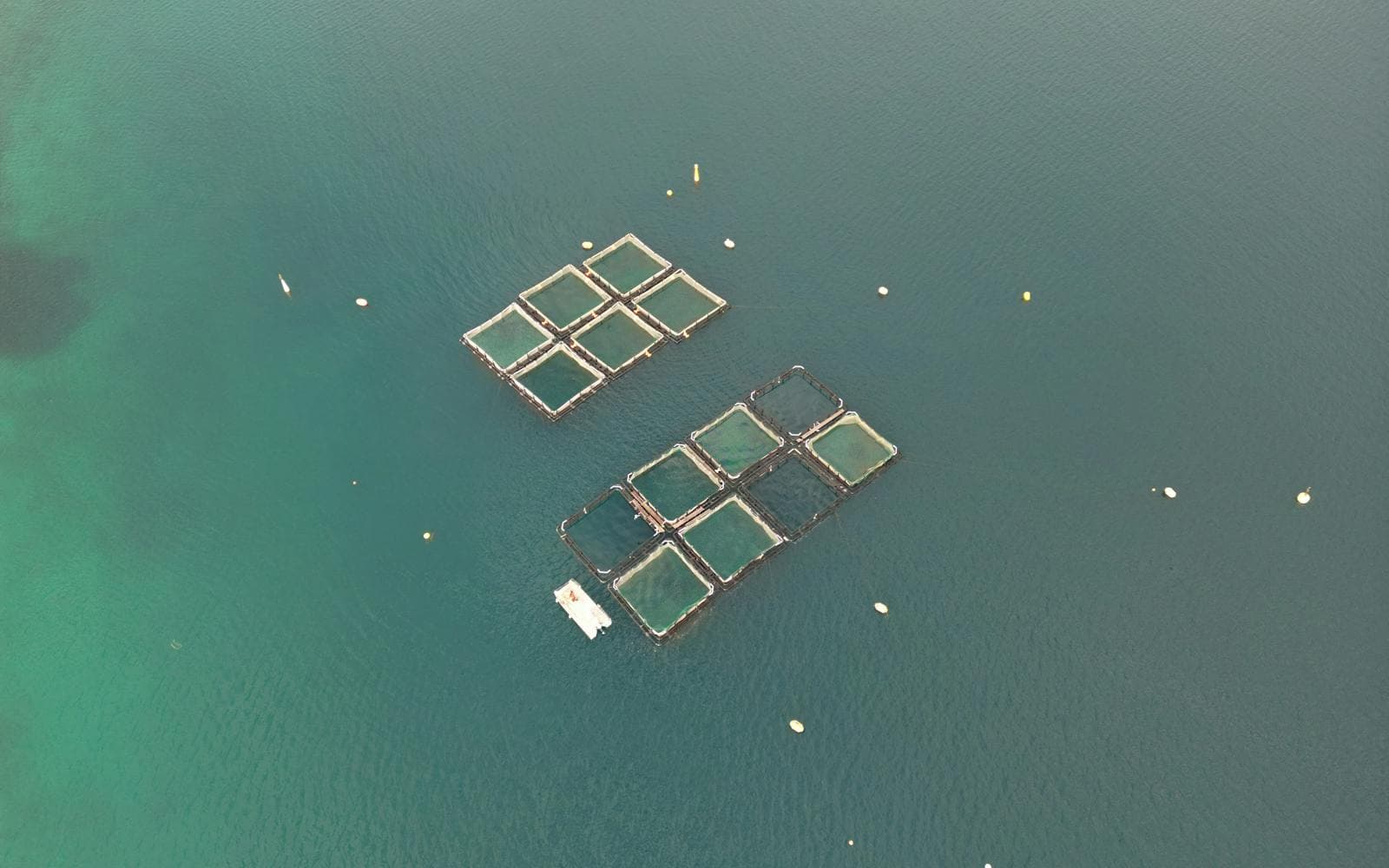
Ocean Net Pens
- Multi-pen monitoring from surface and underwater cameras
- Feeding behavior tracking from feed barge cameras
- Mortality alerts for rapid response
- Net integrity checks via camera feeds
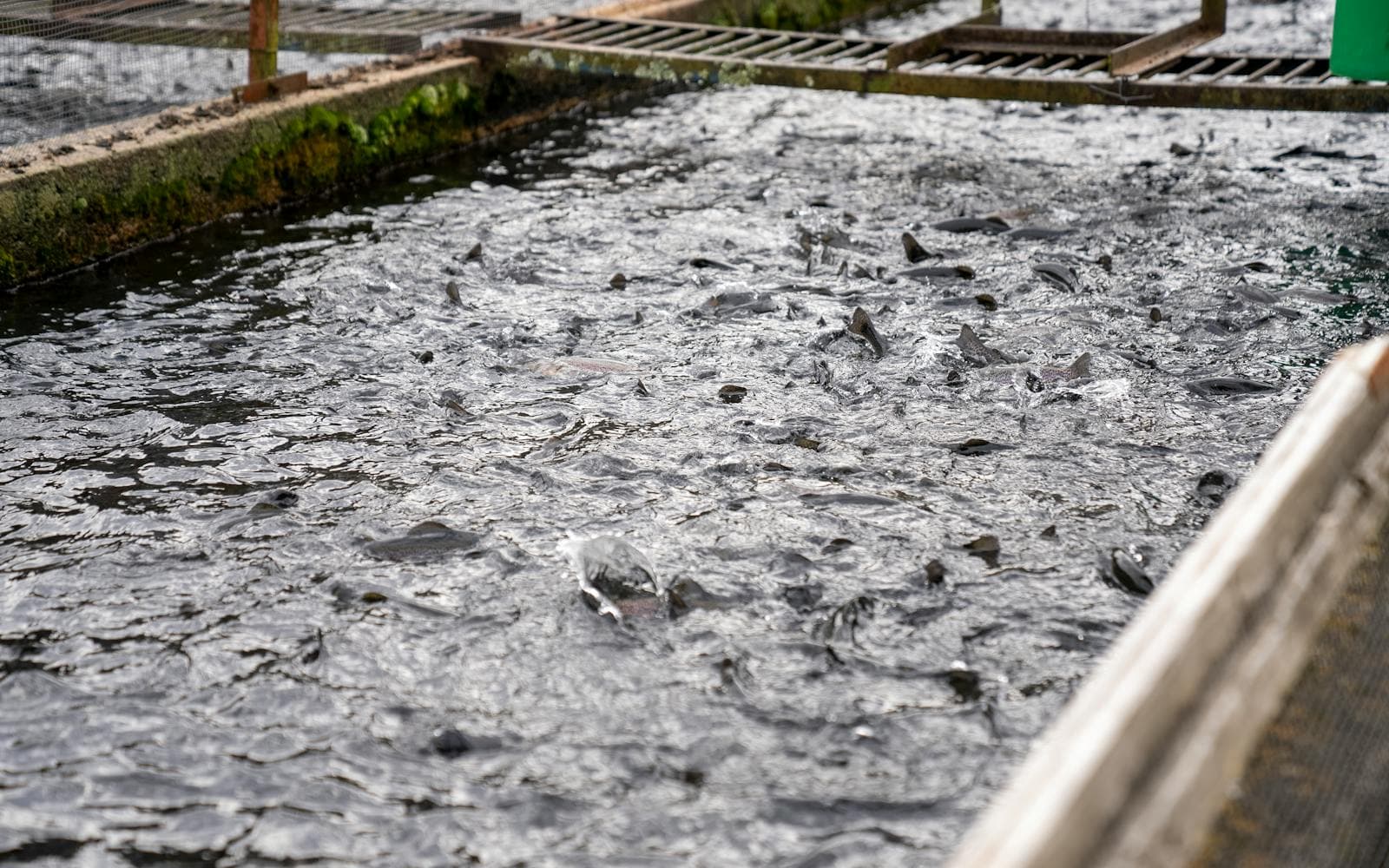
Indoor RAS Facilities
- Tank-level population and density tracking
- Growth cohort monitoring across tanks
- Automated feeding optimization per tank
- Water quality correlation with behavioral data
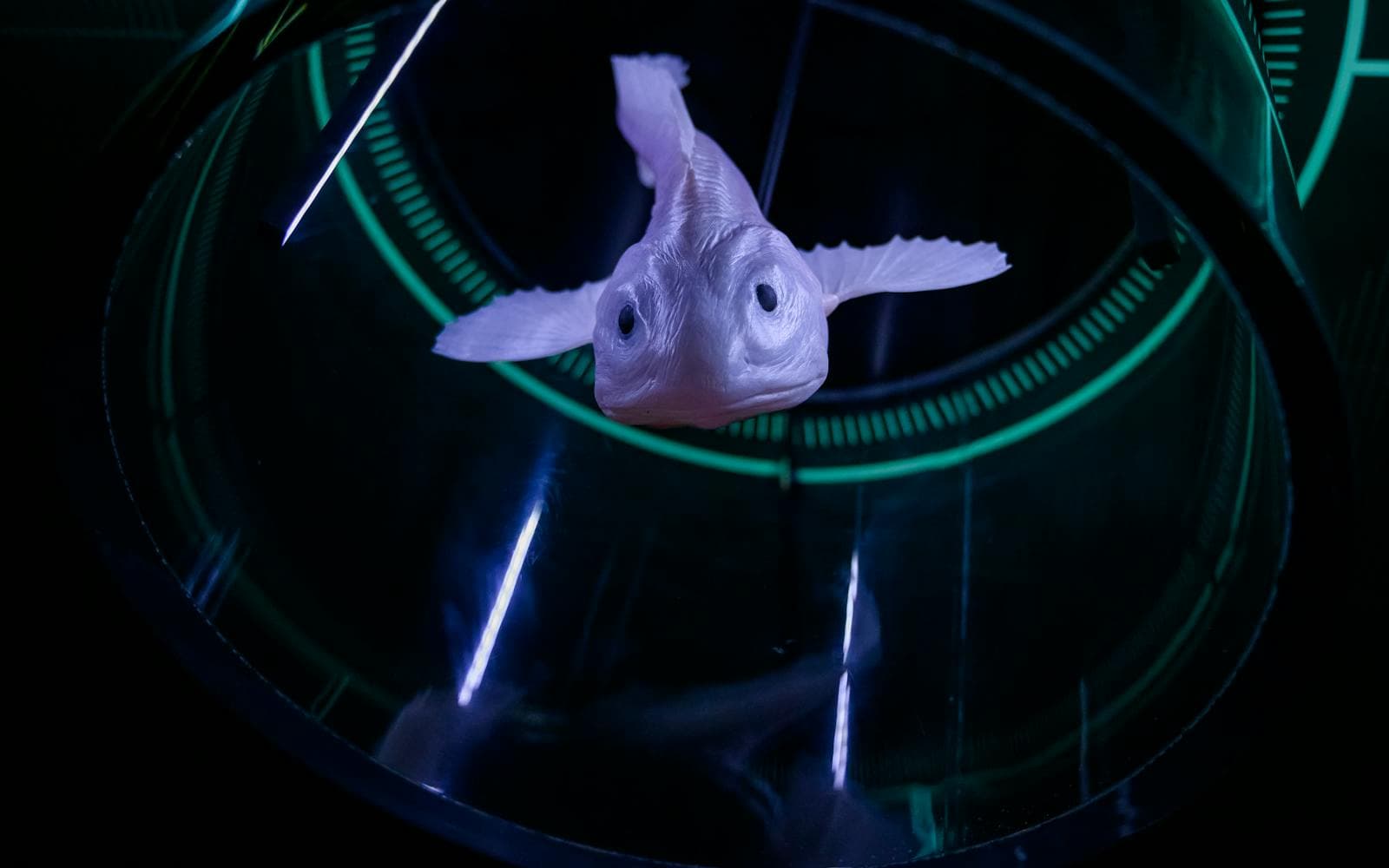
Research & Breeding
- High-throughput phenotyping for selective breeding
- Behavioral response studies under varying conditions
- Longitudinal data with frame-level resolution
- Welfare scoring for regulatory compliance
How It Works - From camera to intelligence in four steps.
Deploy
Install underwater and surface cameras in your pens, tanks, or raceways. Works with standard aquaculture camera systems — no proprietary hardware required.
Detect
ConductVision's species-specific models identify, count, and track individual fish frame by frame. Classification, sizing, and behavioral scoring happen in real time.
Analyze
Data aggregates into population metrics, feeding scores, health indicators, and growth curves. Anomalies trigger alerts before problems spread.
Act
Dashboards, API exports, and farm management integrations put actionable intelligence in your operators' hands.
Deploy
Install underwater and surface cameras in your pens, tanks, or raceways. Works with standard aquaculture camera systems — no proprietary hardware required.
Detect
ConductVision's species-specific models identify, count, and track individual fish frame by frame. Classification, sizing, and behavioral scoring happen in real time.
Analyze
Data aggregates into population metrics, feeding scores, health indicators, and growth curves. Anomalies trigger alerts before problems spread.
Act
Dashboards, API exports, and farm management integrations put actionable intelligence in your operators' hands.
Platform - One dashboard for your entire operation.
Monitor every pen, every tank, every species from a single interface. Real-time video feeds, historical analytics, and predictive alerts — accessible from desktop or mobile.
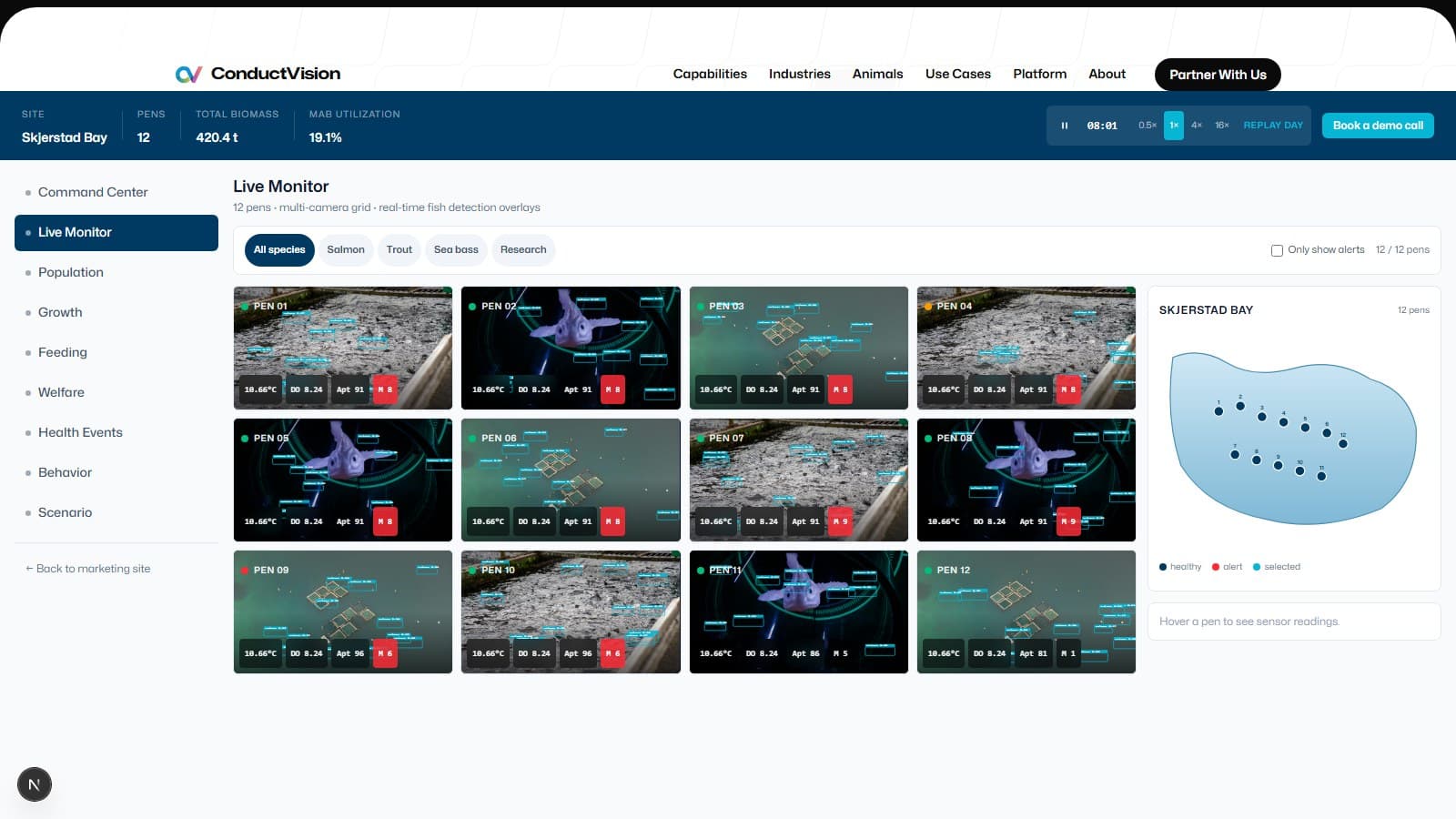
Live Monitoring
Multi-pen grid with live camera feeds, fish count overlays, and status indicators
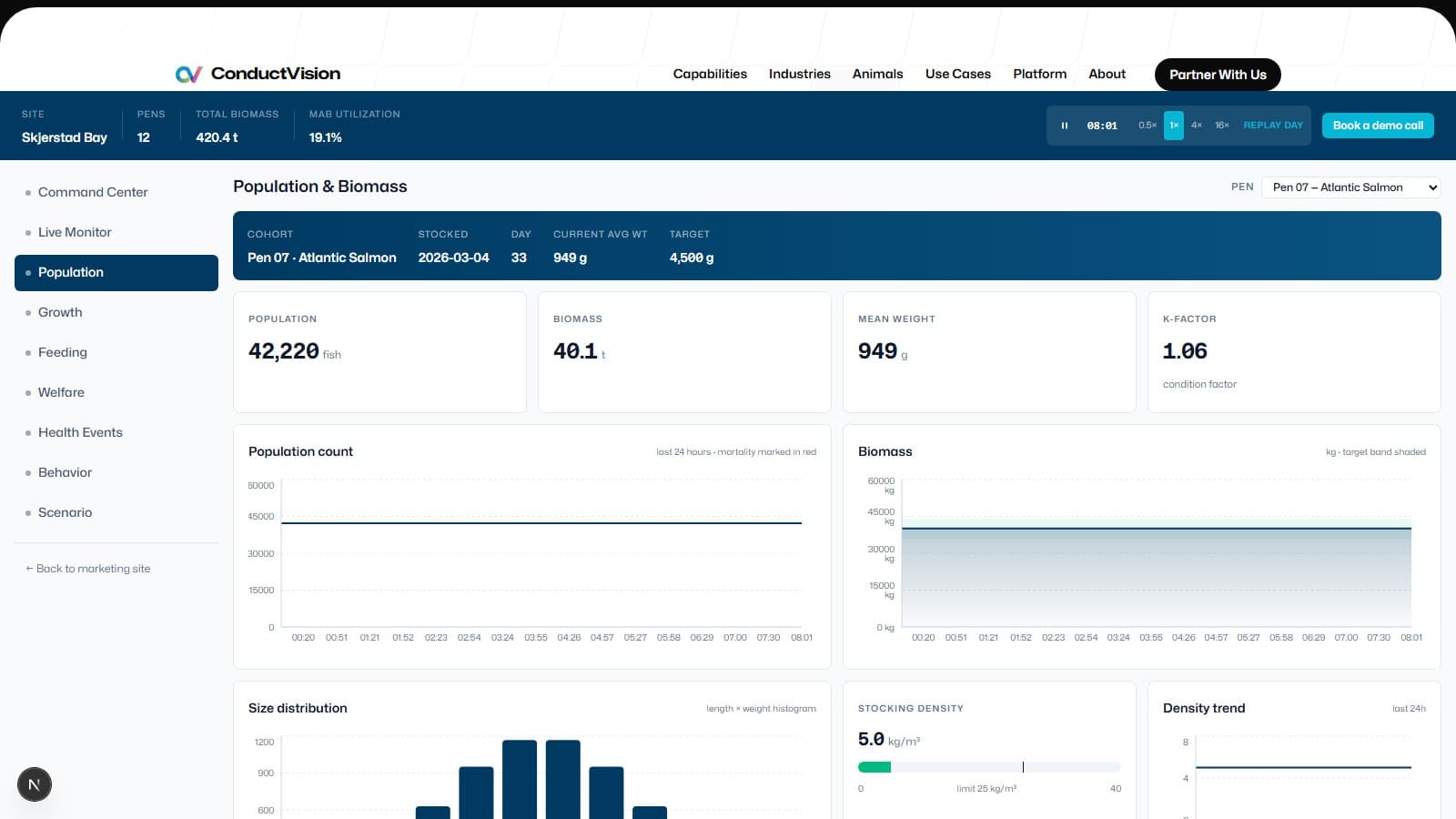
Population Dashboard
Time-series charts showing biomass, count, and growth rate across pens
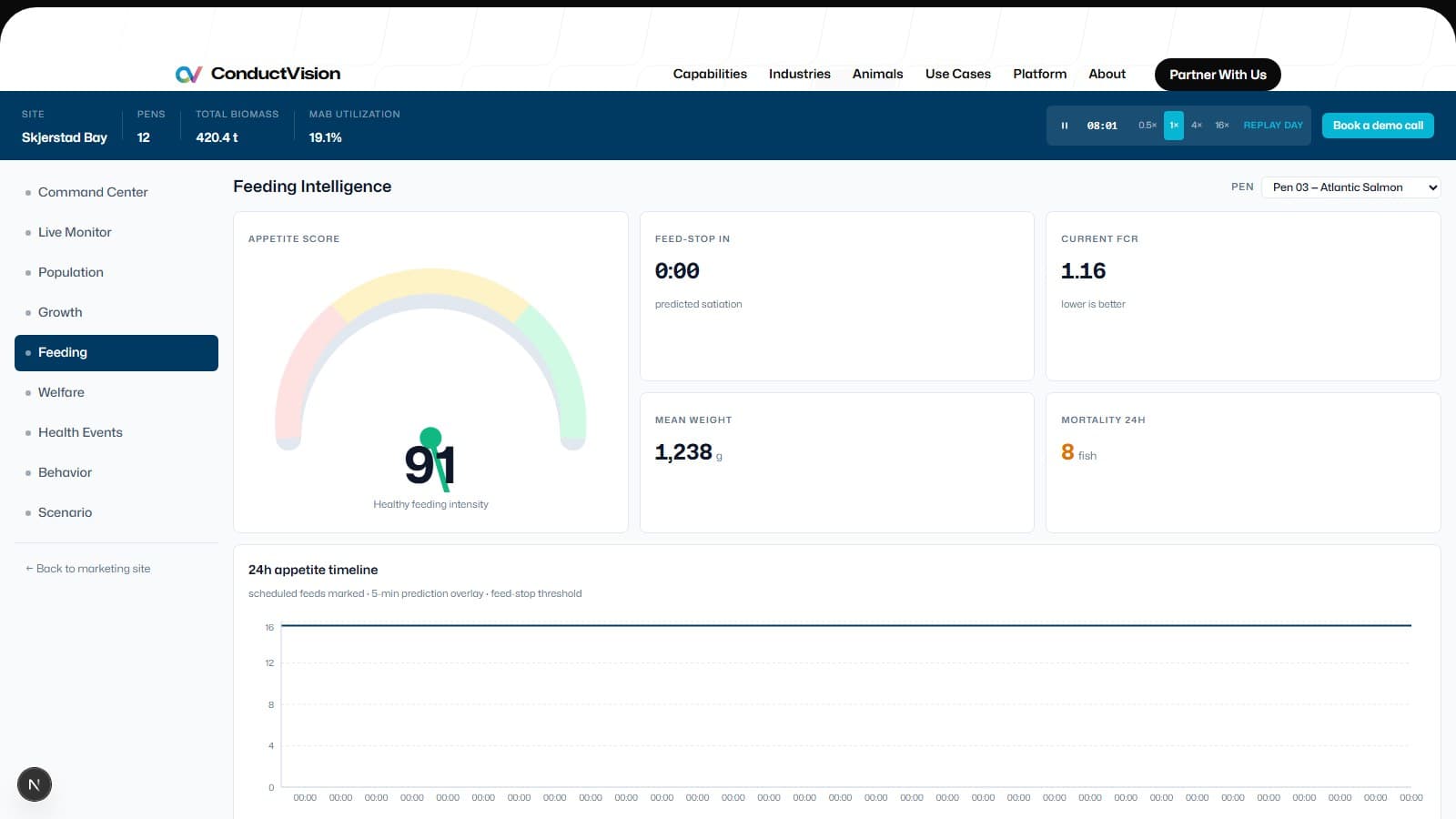
Feeding Analytics
Appetite score timeline, FCR tracking, and feed event markers
Open Platform - Your cameras. Your data. Our intelligence.
Any camera system
Works with standard underwater, surface, and PTZ cameras already deployed in your facility.
Any environment
Ocean pens, RAS tanks, raceways, ponds, and research aquaria.
Standard exports
CSV, Excel, JSON, and REST API for integration with your farm management software.
No vendor lock-in
Your data stays yours. Export everything, connect to any system, switch anytime.
Sensor fusion ready
Correlate camera data with temperature, oxygen, salinity, and flow sensors from any manufacturer.
FAQ - Frequently asked questions
Can't find the answer you're looking for? Reach out to our support team.
We have species-specific models for Atlantic salmon, tilapia, bluefin tuna, rainbow trout, sea bass, and shrimp. Additional species can be added through our model training pipeline — if it swims, we can build a model for it.
No. ConductVision works with standard aquaculture camera systems — any IP camera with RTSP or ONVIF support. We can advise on optimal camera placement and specifications for your specific environment, but you do not need proprietary hardware.
In typical net pen conditions with moderate stocking density, our models achieve population estimates within ±5% of manual counts. Accuracy varies by species, density, and water conditions — we calibrate per-site during deployment.
ConductVision detects behavioral and visual indicators of disease — abnormal swim patterns, lesions, fin erosion, lethargy, and mortality. It serves as an early warning system, not a diagnostic tool. Consult your aquaculture veterinarian for diagnosis.
The system scores feeding intensity in real-time by analyzing surface activity and fish movement patterns. It predicts satiation approximately 5 minutes ahead and can signal feed operators — or automated feeders — when to reduce or stop feeding. Typical feed waste reduction is 15–25%.
Yes. Indoor RAS facilities are one of our strongest environments — controlled lighting, clear water, and consistent camera positioning make for excellent detection accuracy. We support tank-level tracking, growth cohort monitoring, and automated feeding per tank.
ConductVision exports data via REST API, CSV, Excel, and JSON. We support webhook alerts for threshold breaches and can integrate with major farm management ERP systems. Your existing data workflows stay intact.
Three things set us apart: (1) We come from behavioral science — a decade of research-grade animal tracking gives us analytical depth that production-only platforms lack. (2) We support 6+ species across ocean pens, RAS, and research — not just salmonids in ocean pens. (3) We work with your existing cameras — no proprietary hardware required.
A typical pilot deployment takes 4–6 weeks: camera assessment, model calibration for your species and environment, baseline measurement, staff training, and dashboard setup. Full production rollouts scale from there based on your operation size.
Start with a conversation about your operation — species, environment, camera setup, and goals. We will design a pilot program tailored to your facility. Book a demo call and we will walk you through what ConductVision can do for your specific setup.
Still have questions? We are happy to talk it through.
Ready to see your fish through AI eyes?
Whether you manage ocean pens, inland tanks, or a research hatchery — we will tailor ConductVision to your aquaculture workflow.